
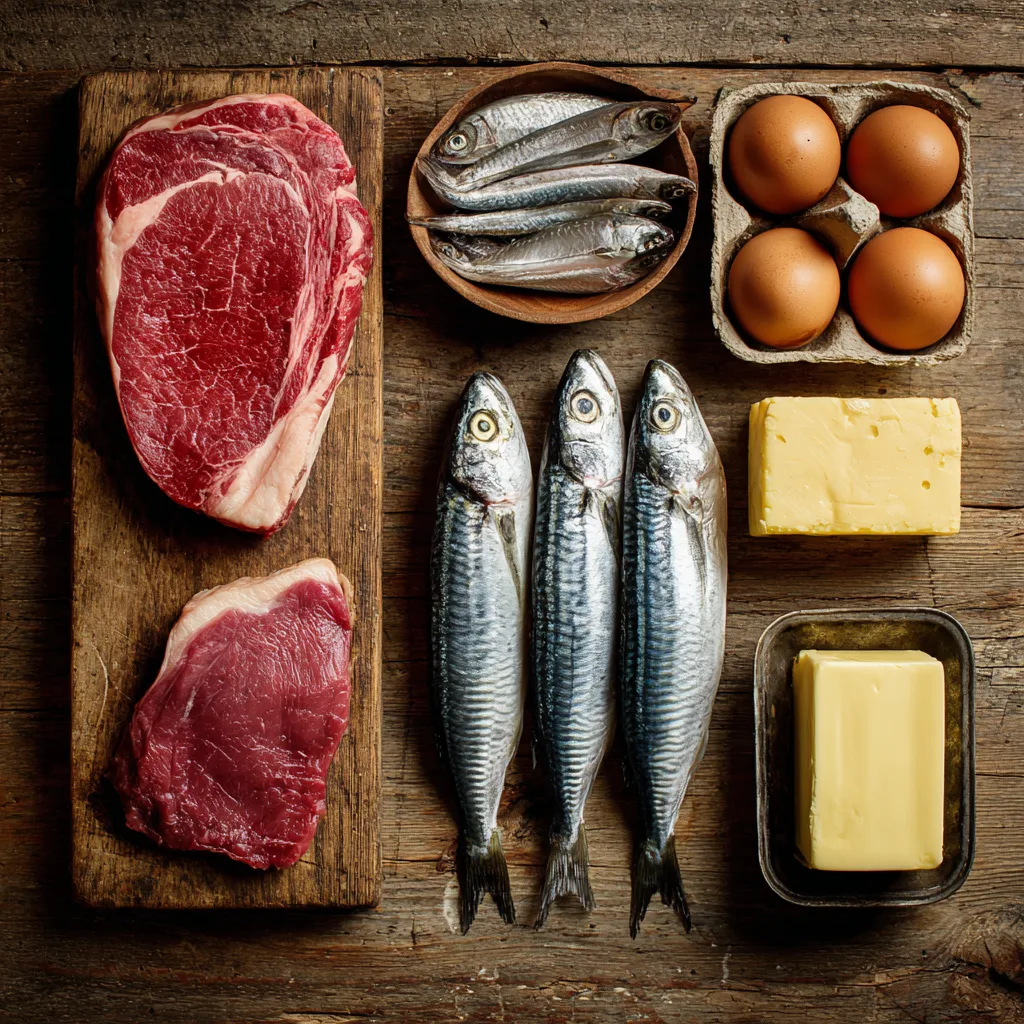
A carnivore diet food listfocuses entirely on animal-based nutrition such as meat, eggs, seafood, animal fats, and certain dairy products. This meat-centered approach removes all plant foods and highlights nutrient-dense staples like ribeye, liver, butter, and sardines. The carnivore diet food list supports a zero-carb lifestyle with foods rich in protein and fat to enhance metabolic health and reduce inflammation. Typical foods include beef, lamb, chicken, organ meats, and wild-caught fish, while fruits, vegetables, grains, and legumes remain excluded.
How to make a carnivore diet food list at home:Start with foundational proteins like beef, poultry, and seafood. Add nutrient-dense items such as eggs, liver, and beef tallow. Include small amounts of heavy cream or aged cheese if you tolerate dairy well. Focus on whole, minimally processed animal foods and avoid additives, sweeteners, and hidden carbs.
In This Recipe
In This Recipe
What Is the Carnivore Diet?
Understanding the Carnivore Diet Food List Basics
Th diey food list consists exclusively of animal-based foods and removes all plant-derived ingredients. This means eliminating vegetables, fruits, grains, legumes, nuts, seeds, and plant oils. Unlike diets like keto or paleo that permit low-carb plants, the carnivore diet food list is purely animal-focused and aligned with strict zero-carb eating.
Supporters of this lifestyle believe humans can thrive on animal nutrition alone. A well-built carnivore diet food list features beef and lamb, nutrient-dense organs such as liver and kidney, whole eggs, and optional seafood or dairy depending on tolerance.
Often described as the meat only diet food list, this simplified way of eating is valued for its satiety, clarity, and potential benefits such as reduced inflammation and improved digestion. For anyone wanting a clear and structured eating plan, the carnivore diet food list provides a straightforward, protein-rich template.
How the Carnivore Diet Differs from Other Low-Carb Diets
While the carnivore diet overlaps with low-carb approaches like keto, it is far more restrictive. Keto allows vegetables, nuts, and berries, whereas the carnivore diet food list eliminates all plant sources entirely. Every item is animal-derived , meat, fat, eggs, dairy (optional), or seafood.
This approach leads to:
- Zero carbohydrate intake and steady fat adaptation
- High fat consumption through foods like ribeye, butter, and beef tallow
- Full removal of plant fiber
For individuals sensitive to plant compounds like lectins, oxalates, or phytates, the carnivore diet food list offers a simplified option that reduces digestive stress.
Core Foods on a Carnivore Diet Food List
A nutrient-dense carnivore diet food list commonly includes:
- Fatty red meats:ribeye, brisket, ground beef
- Organ meats:liver, heart, kidney
- Poultry & eggs
- Seafood:salmon, sardines, shrimp
- Animal fats:beef tallow, duck fat, butter
Optional additions such as hard cheeses and heavy cream may appear on more flexible versions. Others follow a strict meat-only approach with no dairy at all.
Why Choose the Carnivore Diet Food List Approach
People adopt the carnivore diet food list for several reasons:
- Digestive relief from eliminating fiber
- Support for autoimmune or inflammatory conditions
- Natural appetite control for fat loss
- Stable energy without carb-related highs and lows
Early evidence and personal reports indicate that a thoughtfully structured carnivore diet food list may support metabolic and cognitive health.
The Importance of Nutrient Density
Critics often claim that meat-based diets lack micronutrients. However, with organ meats, eggs, seafood, and bone-based foods, the carnivore diet can supply abundant vitamins and minerals.
Organ meats are particularly valuable. Liver provides vitamin A, copper, iron, and B12. Eggs contribute choline and biotin. Seafood covers omega-3s, iodine, zinc, and selenium.
Summary Snapshot: Carnivore Diet Basics
| Included | Avoided |
|---|---|
| Beef, lamb, poultry, seafood, eggs, animal fats | Vegetables, fruits, grains, legumes, plant oils |
| Organ meats (liver, kidney, heart) | Sugary drinks, sweets, sauces |
| Optional: hard cheeses, heavy cream | High-lactose dairy, ultra-processed meats |
Complete Carnivore Diet Food List
The Foundation: Meat Only Diet Food List
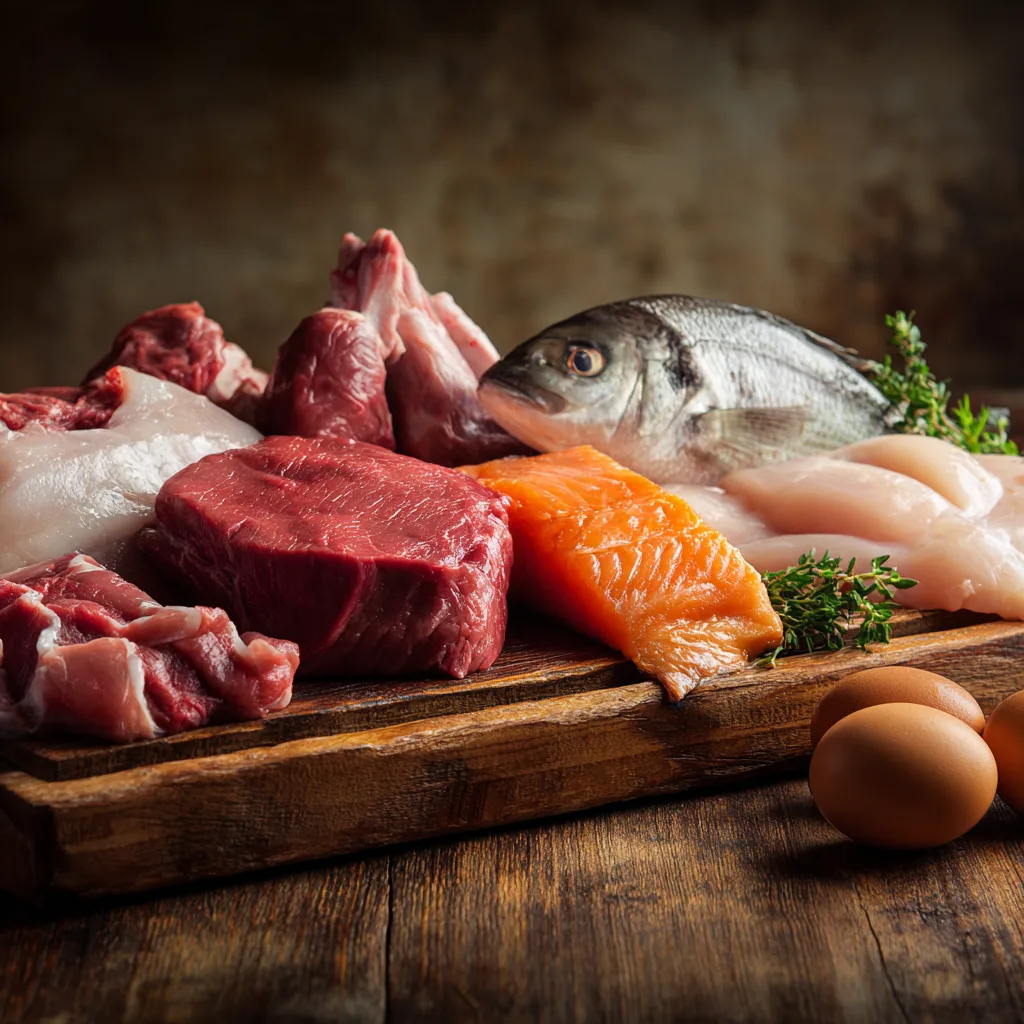
At the heart of the carnivore diet food list is a simple collection of nutrient-rich meats that provide the protein, fat, and micronutrients needed for a zero-carb lifestyle. Prioritize fatty meats for lasting energy.
Recommended meats:
- Beef:Ribeye, chuck roast, brisket, short ribs, 80/20 ground beef
- Lamb & Veal:Lamb chops, ground lamb, veal cutlets
- Poultry:Chicken thighs, duck breast, turkey legs
- Game meats:Venison, elk, bison
These staples form the core of a meat only diet food list.
Adding Depth: Carnivore Diet Animal Products List
Carnivore eating includes more than just red meat. Eggs, fats, broth, and selective dairy help round out the nutritional profile.
Add these to your carnivore diet animal products list:
- Eggs:Chicken, duck, and quail eggs
- Animal fats:Beef tallow, duck fat, goose fat
- Bone marrow:Found in oxtail, marrow bones, knuckles
- Bone broth:Rich in collagen and minerals
- Optional dairy:Hard cheeses and heavy cream
These foods support fat-soluble vitamins, electrolytes, and collagen intake.
Organ Meats: The Powerhouse of Nutrients
Organ meats elevate your nutrient intake and provide benefits you won’t get from muscle meats alone.
Best organ meats:
- Liver:Beef, chicken, or lamb
- Kidneys:Rich in selenium and B vitamins
- Heart:High in CoQ10, zinc, and B12
- Spleen:Dense in iron and vitamin C
- Tongue & tripe:Excellent for collagen
The Carnivore Diet Seafood List
Seafood adds omega-3s and vital minerals.
Include:
- Fatty fish:Salmon, sardines, mackerel, herring
- White fish:Cod, halibut, haddock, snapper
- Shellfish:Shrimp, lobster, crab, oysters, mussels
- Roe:Caviar, salmon roe
Dairy on the Carnivore Diet: What’s Allowed?
Dairy can be included selectively depending on tolerance.
Commonly used:
- Butter
- Ghee
- Hard cheeses
- Heavy cream
Limit or avoid high-lactose options such as milk, yogurt, or soft cheeses.
Fats and Oils: Your Primary Fuel
Since carbs are absent, fat becomes the main fuel source.
Best choices:
- Beef tallow
- Duck or goose fat
- Butter or ghee
Avoid all plant-based oils and seed oils.
What About Processed Meats?
Processed meats can fit into the diet if chosen carefully.
Good options:
- Beef bacon(instead of pork bacon)
- 100% meat sausageswith no fillers
- Deli meat from whole cuts
Avoid options with sweeteners, preservatives, starches, or seed oils.

Allowed Foods on the Carnivore Diet
List of Approved Meats
High-quality animal proteins are the foundation of this eating style.
Recommended:
- Ribeye steak
- Ground beef (80/20 or higher fat)
- Chuck roast
- Brisket
- Lamb shoulder
- Lamb chops
Grass-fed or pasture-raised is ideal but not mandatory.
Nutrient-Rich Organ Meats
To enhance micronutrient levels, include:
- Beef liver
- Heart
- Kidney
- Spleen
- Sweetbreads
These support energy, hair, skin, and overall vitality.
Eggs, Butter, and Dairy
Eggs are versatile and nutrient-rich.
Choose:
- Pastured chicken eggs
- Duck eggs
- Quail eggs
Optional dairy includes:
- Butter
- Ghee
- Hard cheeses
- Heavy cream
Wild-Caught vs. Farmed Seafood
Seafood supports iodine, zinc, and omega-3 intake.
Best choices:
- Salmon
- Sardines
- Oysters
- Mussels
- Cod
Wild-caught is often richer in nutrients, but budget-friendly frozen varieties also work well.
Importance of Fat Intake
Fat must be included to maintain energy levels.
Key sources:
- Egg yolks
- Ribeye
- Beef tallow
- Butter or ghee
Foods to Avoid on the Carnivore Diet
High-Lactose Dairy Products
Limit:
- Milk
- Yogurt
- Soft cheeses
- Ice cream
Processed Foods and Additives
Avoid items containing:
- Added sugars
- Seed oils
- Soy derivatives
- Artificial preservatives
All Plant-Based Foods
Exclude:
- Vegetables
- Fruits
- Grains
- Legumes
- Nuts & seeds
- Plant-based oils
Hidden Sugars and Seasonings
Avoid sauces and blends containing:
- Sugar
- Cornstarch
- Molasses
- Barbecue sauce
- Sweetened ketchup
- Marinades
Stick to salt or minimal simple seasonings.
Tailoring Your Carnivore Diet Grocery List
Budget-Friendly Options
Affordable staples:
- Ground beef 80/20
- Eggs
- Chicken thighs
- Organ meats
Sourcing Grass-Fed and Pasture-Raised Meats
Look for:
- Grass-fed beef
- Organic poultry
- Wild-caught seafood
- Pasture-raised eggs
How to Organize Your Weekly Shopping
Break your list into:
- Fresh meats
- Frozen meats & seafood
- Organs
- Fats
- Eggs & dairy
Stick to outer aisles of the store.
Printable Grocery List Template
Protein Staples:
- Ribeye
- Ground beef
- Chicken thighs
- Eggs
Organ Meats:
- Liver
- Heart
- Kidneys
Seafood:
- Salmon
- Sardines
- Shrimp
Fats:
- Beef tallow
- Duck fat
- Butter
Dairy (Optional):
- Aged cheddar
- Parmesan
- Heavy cream
Frequently Asked Questions About the Carnivore Diet Food List
What foods can you eat on a carnivore diet?
Meat, poultry, fish, seafood, eggs, animal fats, and certain dairy products.
What foods should you avoid on the carnivore diet?
All plant foods, high-lactose dairy, and processed foods with additives.
Are dairy and eggs allowed on the carnivore diet?
Eggs are fully allowed, while dairy is optional depending on tolerance.
Can you eat seafood on the carnivore diet?
Yes, seafood is a key part of a balanced carnivore list.
What are good organ meats to include on the carnivore diet?
Liver, heart, kidney, spleen, and sweetbreads.
How much fat should I eat on the carnivore diet food list?
Fat should be your primary energy source, include fatty cuts and animal fats daily.
Is processed meat okay on a carnivore diet?
Only if minimally processed and free of additives.
Final Thoughts and Nutritional Considerations
Is the Carnivore Diet Safe for Everyone?
The carnivore diet can offer relief from chronic inflammation, digestive issues, and metabolic problems for many people. However, it’s not one-size-fits-all. Pregnant or breastfeeding women, children, and individuals with specific medical conditions should consult a healthcare provider before adopting such a restrictive eating pattern.
Long-term success also depends on variety within the diet. Relying solely on lean cuts of meat can lead to nutrient imbalances. Including organ meats, fatty cuts, and seafood is essential to meet your body’s needs.
Supplements and What May Be Missing
A well-formulated carnivore diet provides most essential nutrients, but some people may still need supplements, especially in the beginning. Common considerations include:
- Magnesium:Due to absence of plant-based sources
- Vitamin D:Especially in winter or low-sun regions
- Electrolytes (sodium, potassium):If you’re experiencing keto flu or fatigue
- Omega-3s:If seafood intake is low
Use high-quality, additive-free supplements if needed, and re-evaluate after 60–90 days of consistent eating.
How to Transition In or Out of Carnivore Eating
Transitioning into the carnivore diet requires preparation. Start by eliminating sugars and processed foods, then gradually reduce carb intake before going fully meat-based.
Tips for easing in:
- Begin with a low-carb or keto phase
- Slowly increase red meat and fat intake
- Remove vegetables, fruits, and plant oils over 1–2 weeks
If you plan to reintroduce foods later, do so gradually. Start with low-toxin plants like cucumbers, squash, or avocado. Reintroduce one food at a time, spacing new items by 3–5 days to monitor reactions.
Tips for Long-Term Success
To stay on track with your carnivore diet, follow these strategies:
- Keep your meals simple and satisfying
- Meal prepto avoid cravings or convenience traps
- Use social support (like Facebook groups or carnivore forums)
- Track symptoms and progress in a journal
- Vary your meats to cover your nutrient bases
Following a well-plannedcarnivore diet food listisn’t just about restriction , it’s about discovering what fuels your body best.
Conclusion
A well-organizedcarnivore dietfood list simplifies eating, reduces inflammation, and supports metabolic wellness. By emphasizing high-quality meats, organ cuts, eggs, animal fats, seafood, and selective dairy, you create a nutrient-dense, zero-carb foundation for better health.
Whether you follow a strict or flexible version, success comes from consistency, choosing quality animal foods, and avoiding hidden additives. Build your grocery list wisely, diversify your protein choices, and stay attuned to your body’s needs.
Ready to explore more? Stay inspired with daily wellness ideas, healing recipes, and natural remedies from Carnivor.
Follow us for more carnivore recipes and wellness tips:
- Carnivormovement on Facebook, find health-boosting meal ideas, short recipe reels, and everyday clean living tips.
- Carnivormovement on Pinterest, browse curated boards featuring carnivore meals, dairy-free dishes, and nutrient-dense inspiration.
Let your food be your fuel , and your journey toward health be both powerful and personal.
One Response