
In This Recipe
In This Recipe
Why Electrolytes Matter on a Carnivore Diet
If you’ve ever felt dizzy, foggy-headed, or just plain off while following a strict meat-based regimen, electrolytes oncarnivore dietmay be the missing link. Transitioning to an all-animal lifestyle dramatically alters how your body handles hydration and minerals. Without carbohydrates, insulin levels drop sharply, causing the kidneys to flush out sodium, potassium, and magnesium rapidly. This electrolyte loss leads to what many experience as the dreaded “carnivore flu.”
Whether you’re just starting or months into the lifestyle, managingelectrolytes on carnivore dietis absolutely essential. Without proper intake, you may face energy crashes, muscle cramps, and serious electrolyte imbalance symptoms. This comprehensive guide reveals exactly how to replenishelectrolytes on carnivore diet, from food sources to supplements, and explains sodium-potassium-magnesium requirements for optimal function.
You’ll discover the best electrolyte supplements for carnivore diet needs, how bone broth supports daily hydration, and why salting your meals is non-negotiable. Still asking, “How many grams of sodium do I need on a carnivore diet?” or “What’s the right electrolyte ratio?” You’re in the right place.
Let’s dive into the science, signs, and exact steps to optimizeelectrolytes on carnivore dietso you can thrive, carb-free.
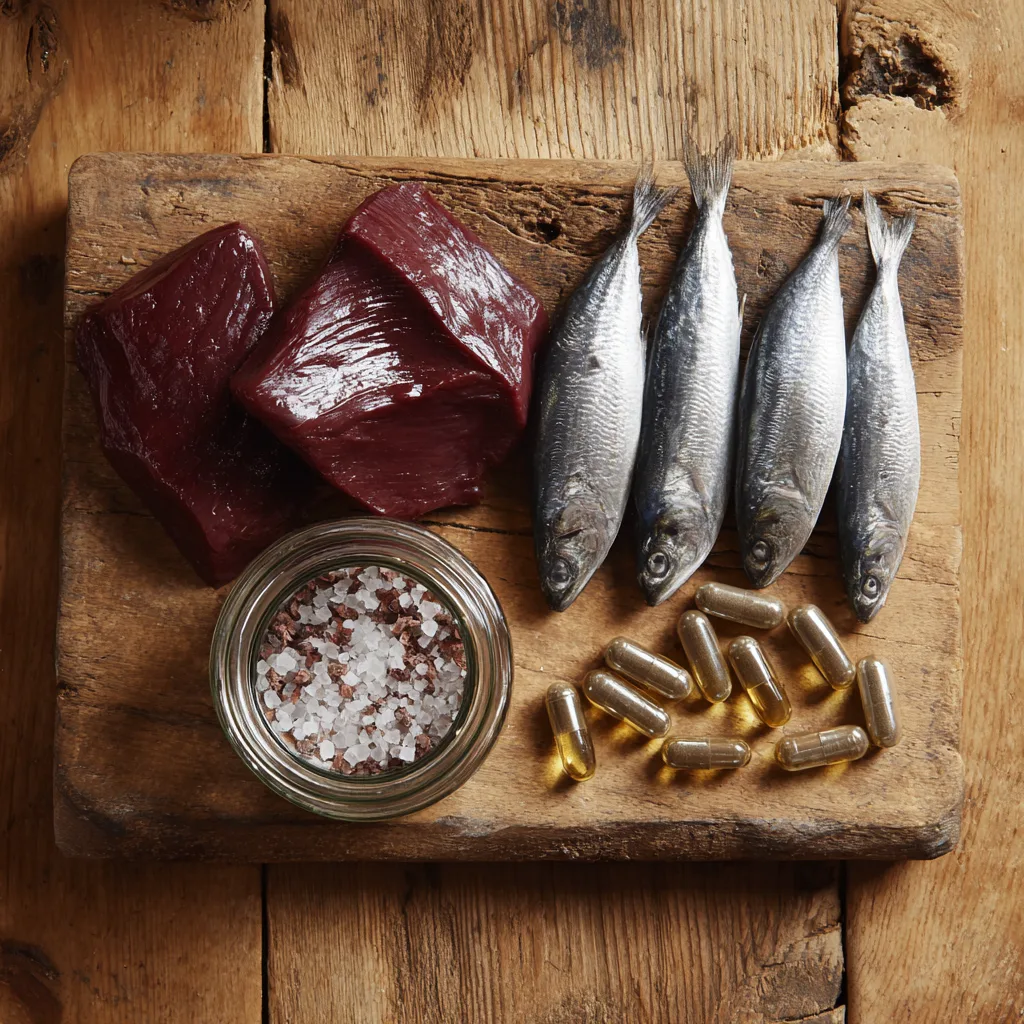
How to Make Electrolytes on Carnivore Diet at Home
Before we get into a ready-made electrolyte recipe specifically tailored for the carnivore lifestyle, let’s discuss why homemade options can better supportelectrolytes on carnivore diet. When you craft your own electrolyte drink, you’re in full control, no added sugars, plant-based fillers, or artificial ingredients that conflict with your animal-based protocol.
Most commercial electrolyte powders aren’t designed for strict carnivore needs. They often contain sweeteners, citric acid, or even maltodextrin, all of which undermine your zero-carb goals. A DIY approach lets you build a clean electrolyte blend that fully supportselectrolytes on carnivore diet, especially when your sodium, potassium, and magnesium levels are in flux.
During your adaptation phase, or whenever you feel muscle cramps, low energy, or brain fog, having a consistent mineral mix ensures yourelectrolytes on carnivore dietstay balanced. Making your own solution is not just cost-effective; it’s one of the most powerful tools to optimize your carnivore results.
In the next section, we’ll walk you through an easy recipe that’s purpose-built to restoreelectrolytes on carnivore dietwith clean, functional ingredients.
Why Electrolytes on Carnivore Diet Matter
Electrolytes on carnivore dietplay a foundational role in every system of your body, especially when following a zero-carb, animal-only approach. Removing carbohydrates shifts your metabolism dramatically, triggering rapid excretion of fluid and essential minerals. If you’re not intentionally replenishing sodium, potassium, and magnesium, you’re likely to feel the effects fast.
Let’s break down whyelectrolytes on carnivore dietare essential, and what happens if you ignore them.
What Happens During the Carnivore Diet Adaptation Phase
In the first 2–4 weeks of transitioning, also known as the adaptation phase, insulin levels drop. This tells your kidneys to dump excess water, along with crucialelectrolytes on carnivore diet, such as sodium and potassium. The sudden drop is what causes symptoms like:
- Headaches
- Dizziness
- Muscle cramps
- Fatigue
- Brain fog
This isn’t the diet causing harm, it’s your body reacting to a loss ofelectrolytes on carnivore dietwithout proper replacement.
How Low-Carb and Zero-Carb Diets Affect Electrolytes
On a high-carb diet, insulin retains water and sodium. But in the low-insulin environment of a carnivore plan, sodium is lost rapidly. That triggers a drop in potassium, because sodium and potassium work in tandem. When both fall, magnesium levels also decline, either due to urinary loss or insufficient intake.
This cascade effect makes a strong case for following acarnivore diet low carb electrolyte guide, which shows how to proactively maintain and restoreelectrolytes on carnivore diet.
Risks of Ignoring Carnivore Diet Sodium, Potassium, Magnesium Needs
Failing to meet yourcarnivore diet sodium potassium magnesium needscan cause:
- Chronic fatigue
- Muscle weakness
- Irregular heartbeat
- Poor sleep
- Slower workout recovery
Left unaddressed, these signs can mimic nutrient deficiencies and cause people to abandon their goals. But the solution is simple: monitor and maintainelectrolytes on carnivore dietconsistently, especially during the transition phase.
Don’t wait until symptoms appear. When it comes toelectrolytes on carnivore diet, prevention beats correction every time.
What Electrolytes Do You Need on a Carnivore Diet
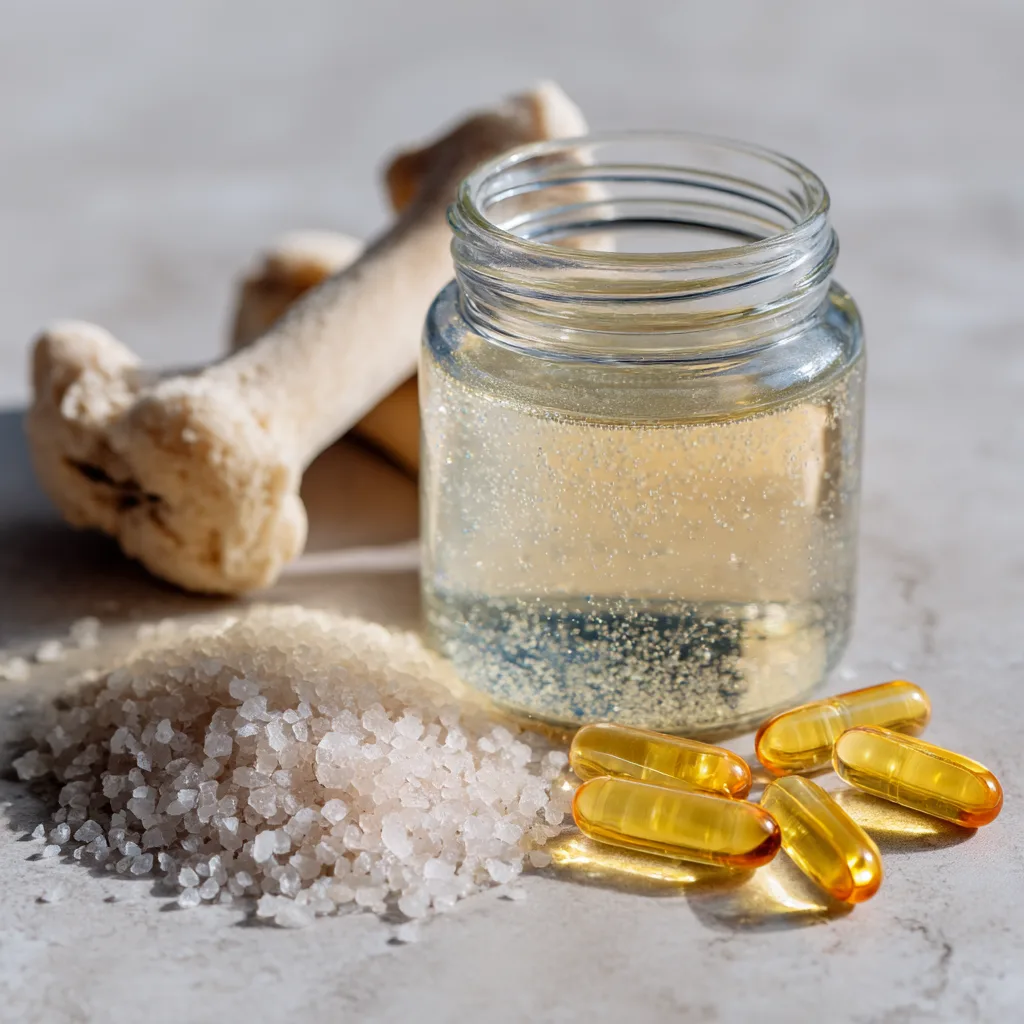
The human body depends on a precise balance of minerals to regulate nerve signals, muscle contractions, hydration, and blood pressure. Managingelectrolytes on carnivore dietbecomes non-negotiable once you remove all plant foods and carbs. This animal-based lifestyle causes your body to shed sodium, potassium, and magnesium more rapidly than traditional diets. To truly thrive, you must understand whichelectrolytes on carnivore dietmatter most, how much of each you need daily, and which animal-based foods supply them in optimal ratios.
Sodium: How Many Grams of Sodium on Carnivore Diet?
Sodium is the most sensitive and quickly depleted of theelectrolytes on carnivore diet. Without insulin spikes from carbs, your kidneys flush out sodium at an accelerated pace, leading to symptoms like headaches, low energy, dizziness, and nausea. Replenishing sodium is the foundational step to restoringelectrolytes on carnivore dieteffectively.
How much sodium do you need on a carnivore diet?
You should target between 4,000 and 6,000 mg of sodium per day, or around 2 to 2.5 teaspoons of quality sea salt. These figures align with widely acceptedcarnivore diet salt intake recommendationsbased on low-carb research and clinical case studies. If you sweat heavily or live in a warmer climate, your need for sodium and your overallelectrolytes on carnivore diet, increases significantly.
Top carnivore-friendly sodium sources:
- Redmond Real Salt or Celtic Sea Salt
- Salting meats both before and after cooking
- Sipping salty bone broth 1–2 times daily
Each method helps ensure you’re meeting your daily sodium needs and reinforcing coreelectrolytes on carnivore diet.
Potassium: Carnivore Diet Potassium Sources Animal-Based
Potassium is another powerhouse mineral that supports balancedelectrolytes on carnivore diet. It regulates fluid inside cells, controls muscle contractions, and maintains stable blood pressure. Without carb-based foods like bananas or spinach, you’ll need to prioritize potassium-rich animal foods.
Top potassium sources on a carnivore diet include:
- Beef liver (≈380 mg per 100g)
- Fatty fish like salmon and sardines
- Shellfish such as clams and mussels
- Ground beef (moderate source of potassium)
If you’re not including organ meats or seafood, supplementing with potassium chloride, branded as “NoSalt” or “Lite Salt”, can help balance yourelectrolytes on carnivore diet.
Recommended potassium intake:2,600 to 3,400 mg per day, based on age and physical activity. Meeting this target keepselectrolytes on carnivore dietfunctioning smoothly across all systems.
Magnesium: Carnivore Diet Magnesium Deficiency Risk
Among the coreelectrolytes on carnivore diet, magnesium is often the most overlooked yet vitally important. It contributes to over 300 enzymatic functions, including sleep regulation, neuromuscular health, and the processing of sodium and potassium.
Animal-based magnesium sources for carnivore dieters:
- Mackerel and sardines
- Beef kidney and beef liver
- Bone marrow
- Duck, goose, and dark meat poultry
Without these specific foods, many people on carnivore face symptoms linked tocarnivore diet magnesium deficiency risk, like insomnia, cramps, anxiety, and delayed recovery. Supplementing with highly absorbable forms like magnesium glycinate or magnesium malate can safeguard yourelectrolytes on carnivore dietstrategy long term.
Daily magnesium needs:320–420 mg, depending on gender and lifestyle.
Other Electrolytes: What Electrolytes to Monitor on Carnivore Diet
Beyond the primary trio, otherelectrolytes on carnivore dietinclude:
- Calcium– Abundant in sardines (with bones) and homemade bone broth
- Chloride– Present naturally in sea salt alongside sodium
- Phosphate– Found in abundance in muscle meat, liver, and seafood
It’s important to stay in tune with how your body responds. Even if your meals are perfectly clean and animal-based, recurring fatigue, mood dips, or poor recovery can all signal imbalances inelectrolytes on carnivore diet. Stay proactive, stay consistent, and always adjust based on your unique biofeedback.
How Much Salt and Electrolyte Intake Recommendations for Carnivore Diet
One of the most common mistakes new dieters make when transitioning is underestimating their body’s need forelectrolytes on carnivore diet. Without carbohydrates to retain water and sodium, your body expels salt at a much higher rate. That’s whyelectrolytes on carnivore dietmust be taken seriously from day one. If you’re seasoning food “to taste” or following conventional low-sodium guidelines, chances are you’re not getting nearly enough.
Here’s exactly how to fine-tune your intake and prevent the side effects of lowelectrolytes on carnivore diet.
Carnivore Diet Salt Intake Recommendations
The standard advice to “limit sodium” doesn’t apply when you’re managingelectrolytes on carnivore diet. In fact, restricting sodium on a zero-carb diet can backfire, leading to fatigue, muscle weakness, and even heart palpitations. Low insulin levels on carnivore trigger the kidneys to dump sodium, which means intentional replenishment is required to keepelectrolytes on carnivore dietstable.
Suggested salt intake for managing electrolytes on carnivore diet:
- Beginners:1.5 to 2 teaspoons of unrefined salt per day (approx. 3,000–4,000 mg sodium)
- Active individuals:2.5 to 3 teaspoons (5,000–6,000 mg sodium)
- During adaptation:Increase sodium further to counteract symptoms like fatigue, dizziness, or the infamous “carnivore flu”
Choose unrefined salts rich in trace minerals such as Redmond Real Salt or Celtic Sea Salt, which provide broader support forelectrolytes on carnivore diet.
Sodium-to-Potassium Ratio: What’s the Ideal Balance?
For optimalelectrolytes on carnivore diet, balance is everything. Sodium and potassium are not standalone they work synergistically to maintain fluid and nerve function. Focusing only on sodium while ignoring potassium can lead to imbalances and stalled progress.
What’s the best sodium-to-potassium ratio on carnivore?
A ratio between1:1 and 2:1is generally ideal. That means if you’re consuming 4,000 mg of sodium, you should aim for 2,000 – 4,000 mg of potassium to stabilizeelectrolytes on carnivore diet.
How to maintain this ratio for optimal electrolytes on carnivore diet:
- Add potassium chloride (NoSalt) to your hydration mix
- Include potassium-rich animal foods like beef liver, heart, and salmon
- Rotate shellfish and seafood into your weekly meals
Balancing this ratio is key to unlocking the full benefits ofelectrolytes on carnivore dietincluding better energy, fewer cramps, and sharper mental clarity.
Carnivore Diet Hydration and Electrolytes
Many assume hydration is only about drinking more water. But if you don’t include enough minerals, excess water intake can actually flush out criticalelectrolytes on carnivore diet, making symptoms worse, not better.
Hydration strategies to support electrolytes on carnivore diet:
- Start your day with warm salted bone broth to kickstart hydration and mineral balance
- Sip water with added sea salt and potassium throughout the day
- Increase sodium intake before and after intense activity or sauna sessions
Remember: crystal-clear urine isn’t always a good sign on carnivore. It might actually indicate you’re losing too many minerals. Replenishingelectrolytes on carnivore dietthrough strategic hydration is just as important as your food choices.

How to Replenish Electrolytes on a Carnivore Diet
Knowing that electrolyte loss is a reality on carnivore, the next step is to take action consistently. Whether you’re just starting out or managing long-term balance, your approach should combine animal-based whole foods with strategic supplementation.
Whole-Food Animal Sources: How to Replenish Electrolytes on Carnivore Diet Naturally
You don’t need to rely solely on powders or pills. There are severalcarnivore-approved foodsthat provide meaningful amounts of sodium, potassium, and magnesium.
Top natural electrolyte sources:
- Bone broth: Rich in sodium and collagen, especially if simmered with marrow bones. It’s the gold standardcarnivore diet bone broth electrolyte source.
- Beef liver and kidney: Provide potassium and magnesium in highly bioavailable forms.
- Sardines and mackerel: Contain both magnesium and potassium.
- Salted cuts of meat: Add Redmond salt to every meal.
These foods not only fuel your body but also support hydration, muscle function, and nervous system balance.
Supplement Options: Best Electrolyte Supplements for Carnivore Diet
While food is the foundation, supplementation can help fill the gaps especially during hot weather, intense training, or your adaptation phase.
Recommended electrolyte supplements:
- Potassium chloride (“NoSalt” or “Lite Salt”): 1/4 teaspoon provides ~650 mg potassium
- Magnesium glycinate: Gentle on the stomach and helps with sleep
- Electrolyte blends: Choose brands with no sweeteners, citric acid, or artificial ingredients
Look for labels designed specifically for ketogenic or low-carb use, and always follow dosing guidance. If you’re unsure, consult a health practitioner.
Are electrolyte powders safe on a carnivore diet?
Yes if they are clean and carb-free. Avoid flavored drink mixes unless you’re following a more flexible animal-based plan.
Practical Meal-Time Tips + Carnivore Diet Electrolyte Smoothie
If you’re someone who likes a routine, schedule your electrolyte intake around meals or workouts. One unique strategy? Try acarnivore diet electrolyte smoothiemade with bone broth and collagen.
Example recipe idea:
- 1 scoop unflavored collagen peptides
- 1/2 cup chilled bone broth
- 1/4 tsp salt + potassium chloride
- Blend with ice until frothy (optional)
It’s a satisfying way to replenish minerals, especially when you’re avoiding sweetened drinks.
Adapting Intake During the Carnivore Diet Transition Phase
During the first few weeks of going carnivore, your body experiences rapid changes. Your mineral requirements spike, especially for sodium and potassium. This is whycarnivore diet transition phase electrolytesmust be prioritized.
Signs you need to increase electrolytes:
- New or worsening fatigue
- Brain fog
- Heart palpitations
- Digestive sluggishness
Up your intake gradually and reassess every few days.
[Insert Internal Link Here with # to “Electrolyte Guide for Carnivore Newbies”]
[Insert Internal Link Here with # to “Bone Broth Benefits and Recipes”]
Electrolyte Imbalance on the Carnivore Diet, Signs, Prevention & Fixes
One of the most common reasons people give up on the carnivore diet is not hunger, lack of variety, or cravings it’s electrolyte imbalance. These symptoms can feel confusing and frustrating, especially when you’re eating clean. But with a better understanding, you can prevent and fix these issues before they derail your progress.
Carnivore Diet Electrolyte Imbalance Symptoms
Whether you’re new to carnivore or several months in, the body will quickly signal when electrolytes dip too low. Recognizing these signs early is key.
Common symptoms include:
- Muscle cramps, especially at night (carnivore diet muscle cramps electrolytes)
- Low energy or chronic fatigue (carnivore diet fatigue electrolytes fix)
- Light-headedness when standing up
- Irregular heartbeat or heart flutters
- Headaches and brain fog
- Trouble sleeping
These aren’t failures they’re signals from your body to correct course.
Preventing “Carnivore Flu” with Electrolytes
The term “carnivore flu” describes a collection of symptoms that resemble illness but stem from a sudden drop in sodium and fluid retention. It’s entirely avoidable with the right approach to mineral support.
To avoid the flu:
- Salt every meal liberally from day one
- Sip bone broth between meals
- Use a daily electrolyte drink (see recipe above)
- Don’t shy away from organ meats liver and kidney are rich in minerals
As a rule, alwaysincrease salt first, then evaluate if potassium and magnesium are needed. Most people overcomplicate it, but simplicity wins.
Carnivore diet avoiding “keto flu” via electrolytesbecomes much easier when you’re proactive.
When to Seek Medical Advice: Electrolytes for Carnivore Diet Beginners
For most, managing electrolytes is a matter of food and supplement strategy. But if symptoms persist beyond two weeks even after increasing intake consider speaking with a medical professional. This is especially important if you’re on medications that affect kidney function or fluid balance.
Special note for beginners:
- Track your salt intake in the first two weeks
- Keep a journal of symptoms, mood, and energy levels
- Revisit your plan weekly and adjust as needed
Supportingelectrolytes for carnivore diet beginnersis as much about education as it is about execution.
[Insert Internal Link Here with # to “Carnivore Diet Troubleshooting Tips”]
[Insert Internal Link Here with # to “Beginner’s Guide to Animal-Based Eating”]
Special Cases & Adaptation, When You Need Extra Electrolyte Support
Not all carnivore journeys are created equal. While many people find their balance quickly, certain phases of life or specific situations increase your electrolyte needs. From early adaptation to intense training or life stage changes, here’s when and why you might need more support.
Early Phase Adaptation: Carnivore Diet Adaptation Electrolyte Support
The first 7–21 days of going carnivore are typically the toughest. Your body shifts from relying on carbs to burning fat for fuel, and this comes with increased mineral loss. That’s whycarnivore diet adaptation electrolyte supportshould be front-loaded not reactive.
You may need to double your electrolyte intake during this phase, especially sodium. This is the time to lean into:
- Daily bone broth (2 cups minimum)
- Electrolyte drinks twice a day
- Heavier salting of food
The more prepared you are, the faster you’ll adapt and the smoother your transition will be.
Athletes, Sweating, and High-Heat: Does a Carnivore Diet Cause Electrolyte Loss Faster Than Keto?
If you’re working out intensely, using saunas, or living in a warm climate, you’re going to lose more electrolytes through sweat. Thecarnivore diet may cause even faster electrolyte depletion than ketobecause there’s zero glycogen buffering your water retention.
Signs you need to increase intake:
- Salt stains on workout clothes
- Dehydration despite drinking lots of water
- Muscle twitching post-exercise
You’ll benefit from sipping salted water during workouts and including an additional potassium source afterward. This is not optional if performance and recovery matter to you.
Pregnancy, Older Age, and Medications: What Electrolytes to Monitor on Carnivore Diet
Certain life stages or medications can alter how your body absorbs, retains, or excretes electrolytes. Pregnant individuals, for instance, have higher demands for bothsodium and magnesiumdue to increased blood volume.
Electrolyte considerations by group:
- Pregnancy: Ensure adequate magnesium for sleep and leg cramps
- Older adults: More sensitive to low potassium and dehydration
- Those on diuretics or blood pressure meds: Must monitor sodium and potassium ratios closely
Talk with your doctor before starting supplements, and track changes week to week.
What electrolytes to monitor on carnivore dietgoes beyond a list it’s about listening to your body and adapting to your lifestyle.
[Insert Internal Link Here with # to “Carnivore Fitness and Recovery Guide”]
[Insert Internal Link Here with # to “Life Stage Nutrition on Carnivore Diet”]

My Complete Carnivore Diet Electrolyte Foods List + Meal Guide
Sometimes the best way to stay consistent is to make things simple. If you’re wondering what to eat on a carnivore diet to keep your electrolytes in check, this section breaks it down for you by food, function, and frequency.
Carnivore Diet Electrolyte Foods List
Here’s your go-to list ofanimal-based electrolyte foodsthat help maintain sodium, potassium, and magnesium levels naturally:
| Food | Key Electrolytes | Notes |
|---|---|---|
| Bone Broth | Sodium, trace magnesium | Drink 1–2 cups daily |
| Beef Liver | Potassium, magnesium | Best consumed 2–3x/week |
| Sardines (with bones) | Magnesium, calcium, potassium | 1–2 servings weekly |
| Ground Beef (salted) | Sodium (added), some potassium | Daily staple |
| Eggs | Small amounts of all 3 | Great support food |
| Lamb & Goat Meat | Higher natural sodium | Rotate cuts |
| Heart & Kidney | Potassium, magnesium | Excellent but often overlooked |
| Shellfish (clams, mussels) | Potassium, sodium | Nutrient-dense choice |
Use this list as a blueprint for meal planning.
Sample Daily Carnivore Electrolyte Meal Plan
Thissimple guidecan help you structure your meals to hit your electrolyte needs without tracking or stressing:
Morning
- 16 oz warm bone broth with salt
- 3 scrambled eggs + 2 slices salted lamb shoulder
Midday
- 8 oz ground beef, salted
- 4 oz beef liver (pan-seared)
- Optional: 8 oz water + 1/4 tsp potassium chloride
Evening
- 6 oz sardines or grilled mackerel
- 1 cup bone broth with magnesium supplement
- Optional: Collagen smoothie with ice and sea salt
Adjust quantities based on body size, activity, and climate. This guide supports acarnivore diet electrolyte foods listapproach that’s natural, nutrient-dense, and effective.
Final Thoughts on Eating for Electrolyte Balance
The more consistent you are with mineral-rich meats and bone broth, the less you’ll need to rely on supplements. Start your day with salt and end it with magnesium, and you’ll avoid most common pitfalls associated with fatigue, cramping, or poor recovery.
Frequently Asked Questions About Electrolytes on a Carnivore Diet
Why do electrolytes matter on a carnivore diet?
Electrolytes are essential for hydration, nerve function, and muscle performance especially on a carnivore diet where carb intake is nearly zero. Without carbohydrates, your body excretes more sodium and fluid, making it easier to become deficient in minerals like sodium, potassium, and magnesium.
What electrolytes do you need on a carnivore diet?
The most important electrolytes for carnivore aresodium, potassium, and magnesium. Sodium is crucial for fluid retention and energy, potassium supports heart and muscle function, and magnesium helps with sleep, stress, and muscle recovery.
How much sodium should you consume on a carnivore diet?
You should aim for4,000–6,000 mg of sodium per day, which equals about 2 to 2.5 teaspoons of salt. This amount can vary based on activity level, sweating, and climate.
Does a carnivore diet cause electrolyte loss faster than keto?
Yes. Since carnivore removes all carbs and plant-based fiber, it often results in evengreater mineral flushingthan a ketogenic diet, especially early on.
How can you get potassium on a carnivore diet?
Animal-based sources of potassium includebeef liver, sardines, clams, and heart. If these aren’t consumed regularly, potassium chloride (like Lite Salt) can help.
Do you need magnesium supplements on a carnivore diet?
Many people do, especially if they experience poor sleep, muscle cramps, or stress. Magnesium glycinate and magnesium malate are well-absorbed and commonly used by carnivore dieters.
Final Thoughts on Electrolytes for Carnivore Diet Success
Mastering electrolytes on the carnivore diet is one of the most important yet most overlooked keys to long-term success. Whether you’re just starting out or deep into your animal-based lifestyle, your body will thank you for consistently supporting sodium, potassium, and magnesium needs.
By recognizing symptoms early, replenishing through food and clean supplements, and adapting to life stages or physical demands, you’ll avoid common roadblocks like fatigue, cramps, and the dreaded “carnivore flu.”
Remember:
- Start withbone broth and salt
- Includeorgan meats and seafoodweekly
- Usemagnesium and potassium supplementsas needed
- Listen to your body and adjust accordingly
If you’re still feeling stuck, revisit your intake and track symptoms daily. The solution is almost always simple and always within reach.
Ready to take your health further?
👉 Followcarnivor on Facebookfor daily tips, remedies, and real-life carnivore experiences.
👉 Explorecarnivor on Pinterestto discover visual recipes and hydration hacks made for your wellness journey.
One Response