
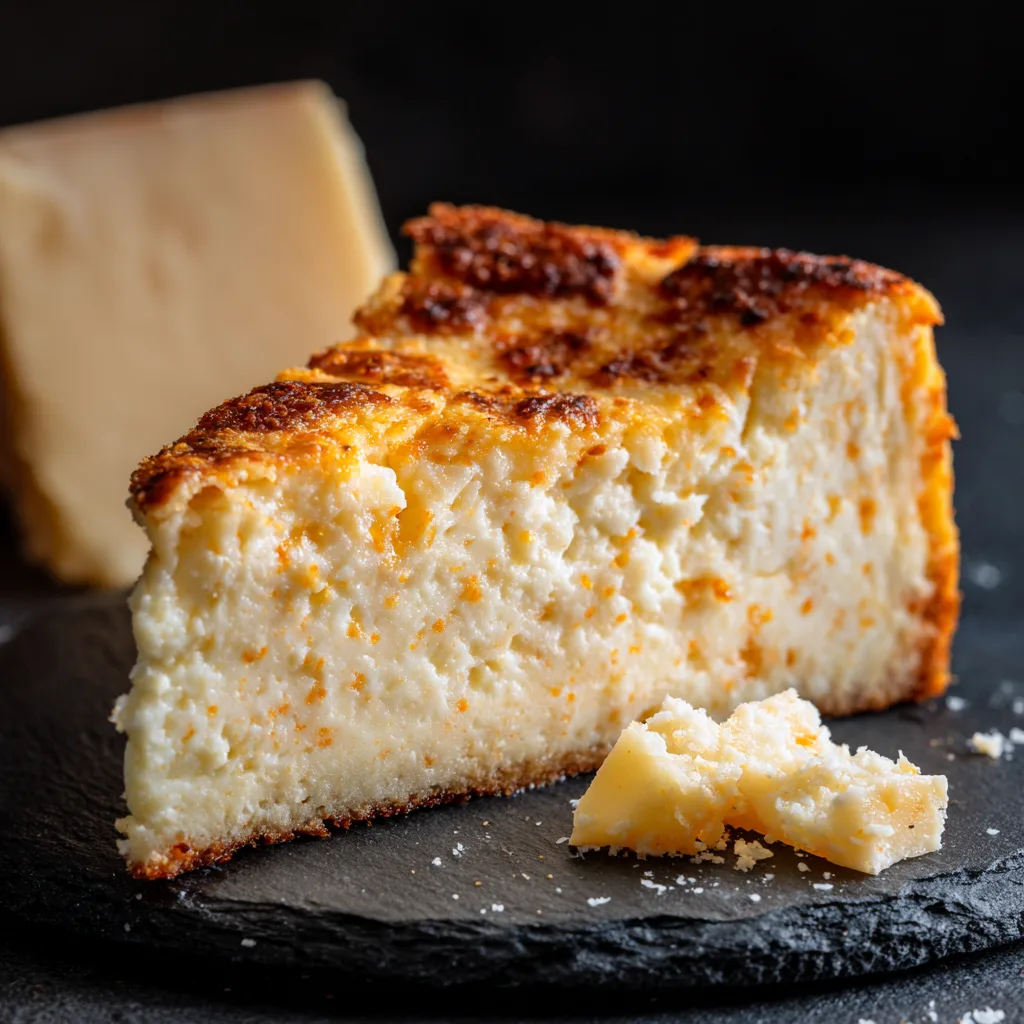
Carnivore Cheesecake is a rich, zero-carb dessert made entirely from animal-based ingredients like cream cheese, heavy cream, eggs, and optional aged cheese such as Manchego.This indulgent treat fits perfectly into carnivore and low-carb diets because it avoids all flours, sugars, and plant-based additives. Instead, it uses full-fat dairy and eggs to create a creamy, satisfying texture while maintaining minimal carbohydrate content.
Whether baked for a dense, sliceable texture or chilled for a light, mousse-like finish, carnivore cheesecake delivers flavor and satisfaction without compromising dietary principles. Secondary ingredients like Manchego cheese or unsweetened whipped cream can add depth and variation without straying from carnivore guidelines.
How to Make It:Blend room-temperature cream cheese with heavy cream, add eggs, and bake gently or chill overnight to set. You can also fold in grated Manchego for a bold, savory twist that stays fully animal-based. No flour, no sugar. just pure indulgence that works within your wellness goals.
In This Article
In This Recipe
How to Make Carnivore Cheesecake at Home
If you’ve been craving something indulgent while sticking to a carnivore lifestyle,Carnivore Cheesecakemight just become your go-to dessert. This isn’t your typical cheesecake filled with crusts, sweeteners, or flour substitutes. Instead, it’s built entirely from animal-based ingredients, giving you a truly low-carb, high-fat dessert that doesn’t compromise your dietary goals.
Why Carnivore Cheesecake Works
Carnivore diets center on eliminating plant-based ingredients in favor of nutrient-dense animal products, as outlined in theCarnivore Diet Food List. This includes meat, fish, eggs, and full-fat dairy. But most traditional desserts rely heavily on plant foods: flour, sugar, fruits, and sweeteners. Carnivore cheesecake rewrites that script by using ingredients such as cream cheese, heavy cream, eggs, and butter, all sourced from animals.
When made correctly, the result is a silky, creamy dessert that mimics traditional cheesecake but contains no added carbs. You get a rich texture from the dairy and binding from the eggs, no need for flours, gums, or starches.
Essential Ingredients for a Carnivore Cheesecake
Each component of this dessert serves a purpose and aligns with carnivore principles:
- Cream Cheese: This is the backbone of the cheesecake. Choose full-fat cream cheese with minimal additives for the best flavor and texture.
- Heavy Cream: Adds luxurious richness and creaminess. It lightens the structure slightly and helps create that classic cheesecake feel.
- Eggs: These act as natural binders and add structure. They also contribute a gentle fluffiness to the final product.
- Butter: Adds depth, healthy fat, and smooth texture. It also helps prevent the cheesecake from drying out during baking.
- Optional Manchego Cheese: For a bolder, savory twist, Manchego (a sheep’s milk cheese from Spain) can add complexity. It’s still carnivore-approved and offers a slightly nutty, rich profile.
No sugar, no flour, and no grains, just wholesome, real ingredients from animal sources. That’s the core of this dessert.
No Sweeteners Needed
Unlike keto cheesecakes that rely on erythritol or stevia, carnivore cheesecakes typically skip sweeteners altogether. This is by design. When you’re fully fat-adapted, your taste buds begin to appreciate the natural sweetness in dairy and eggs. If you’re easing into carnivore from keto, you might miss that added sweetness at first, but trust the process. Your palate will adjust, and you’ll find this dessert surprisingly satisfying even without sugar.
Pick Your Method: Baked or No-Bake
You can prepare carnivore cheesecake in two main ways:
- Baked: More traditional. You combine all ingredients, pour them into a baking dish, and cook low and slow in a water bath. This yields a firm, dense, sliceable cheesecake.
- No-Bake: Easier and quicker. You whip the ingredients and chill them until set. This produces a softer, mousse-like dessert. It’s great if you want to skip the oven or live in a warmer climate.
Both methods follow the same basic ingredient list, and each delivers a satisfying dessert experience in its own way.
What to Expect Taste-Wise
Don’t expect a sugary, store-bought cheesecake. Instead, imagine a rich, savory custard that walks the line between dessert and nourishing fat-bomb. It’s deeply satisfying, especially for those who have been off sugar for a while.
If you’re feeling adventurous, the optional Manchego cheese variation gives it a sharper, aged flavor that adds a gourmet element without adding carbs.
What Makes a Cheesecake “Carnivore”
A cheesecake qualifies as “carnivore” when every ingredient comes from an animal source. That means absolutely no grains, nuts, sweeteners (natural or artificial), fruit, or vegetable derivatives. It’s a dessert built on the pillars of the carnivore diet: animal-based, ultra-low-carb, and focused on simplicity.
Key Components of a True Carnivore Cheesecake
Here’s a breakdown of the essential elements that define this recipe:
- Dairy-Based Foundation: Carnivore cheesecake starts with full-fat dairy like cream cheese, heavy cream, and butter. These provide a rich, creamy texture and natural fat content.
- Eggs as Binders: Eggs add protein and structure, helping the cheesecake set without the need for flour or starch.
- No Crust: Traditional cheesecake crusts use graham crackers, almond flour, or coconut flour, all plant-based and off-limits in a strict carnivore plan. Carnivore cheesecake is typically crustless, but some may use a crispy base of baked pork rinds or cheese as a variation.
- Optional Aged Cheeses: Manchego or aged cheddar adds depth and complexity, especially for those who enjoy savory notes.
These choices keep the dessert aligned with carnivore principles while creating a product that’s rich, dense, and satisfying.
Carnivore vs. Keto Cheesecake
It’s easy to confuse the two, but the differences are clear, especially if you’re transitioning from keto or low-carb plans like those found in this helpfulCarnivore Diet 7-Day Meal Plan.
| Feature | Carnivore Cheesecake | Keto Cheesecake |
|---|---|---|
| Sweeteners | None | Uses erythritol, monk fruit, etc. |
| Flours/Crusts | None | Often uses almond or coconut flour |
| Carbs per serving | ~0g | 2–5g (depending on recipe) |
| Dairy | Yes | Yes |
| Diet Compatibility | Carnivore, Keto, Zero-Carb | Keto, Low-Carb |
Carnivore cheesecake keeps things purer and simpler, making it ideal for strict carnivore dieters who don’t want any plant-based interference.
Why It Works Without Sweeteners
One of the surprising benefits of this approach is how satisfying the dessert is, even without added sweetness. Once you’ve been on a carnivore or zero-carb diet for a while, your sensitivity to sweetness increases. That means the natural flavor of dairy and the richness of eggs becomes enough to satisfy dessert cravings.
In fact, many who try carnivore cheesecake for the first time find that it scratches the dessert itch without causing cravings or energy crashes. It’s creamy, filling, and doesn’t feel like a compromise.
Nutritional Profile
Most carnivore cheesecakes clock in at:
- Calories: 300–400 per slice
- Carbs: <1g (almost zero)
- Fat: 30–35g
- Protein: 8–10g
This makes it perfect as a fat bomb, snack, or a rich dessert that won’t disrupt your macros or trigger insulin spikes.

Variations: Baked vs. No‑Bake vs. Aged-Cheese Twist
Carnivore Cheesecake isn’t one-size-fits-all. In fact, it adapts beautifully to different tastes, time constraints, and dietary styles, all while keeping to the core carnivore rule: animal-based only. Let’s explore three delicious variations you can try, each offering its own texture and flavor profile.
1. Baked Carnivore Cheesecake
Best for:Those who love a dense, traditional cheesecake texture and don’t mind using the oven.
Texture:Firm, sliceable, custard-like.
Flavor Profile:Classic cheesecake richness with a pure dairy focus.
How It’s Made:
Baked versions involve mixing cream cheese, eggs, heavy cream, and butter, then baking gently in a water bath. This ensures even cooking and prevents the cheesecake from cracking. The result is a beautiful, golden-topped cheesecake with a creamy center.
Tips:
- Use a springform pan lined with parchment for easy removal.
- Let the cheesecake cool slowly in the oven to avoid collapse.
- Chill overnight for the best texture.
Best occasion:This version feels more elegant and is great for sharing or serving at gatherings.
2. No‑Bake Carnivore Cheesecake
Best for:Quick prep, minimal cleanup, or hot-weather cooking.
Texture:Soft, mousse-like, and airy.
Flavor Profile:Light and subtly creamy.
How It’s Made:
Whip heavy cream until it holds peaks, blend with softened cream cheese, then chill in a mold or ramekins for several hours. The mixture firms up in the fridge without any need for baking. Some versions add whipped butter for extra richness.
Tips:
- Let the cream cheese reach room temperature before mixing.
- Chill at least 6 hours or overnight for best results.
- If you’re dairy-sensitive, opt for higher-fat, aged dairy which tends to be lower in lactose.
Best occasion:Great for weekday treats or hot summer days when you don’t want to turn on the oven.
3. Manchego Cheese Twist (Aged-Cheese Variant)
Best for:Cheese lovers or anyone who enjoys savory notes in desserts.
Texture:Dense, rich, and slightly crumbly.
Flavor Profile:Nutty, bold, and complex.
How It’s Made:
Add finely grated Manchego (or similar hard, aged cheese) into your batter before baking. The cheese melts into the mixture, enhancing both texture and flavor. It won’t taste “cheesy” like a slice of cheddar, instead, it adds umami and depth that balances the cream cheese’s tang.
Tips:
- Keep the amount modest to avoid overpowering the base.
- Choose a smooth, firm Manchego aged 3–6 months.
- Bake gently to avoid curdling the cheese.
Best occasion:Ideal for those transitioning from savory meals to a carnivore dessert, a sophisticated twist for seasoned carnivores.
Each of these styles delivers a different sensory experience, but all stay firmly within the rules of a true carnivore diet. Want sweet, rich, and simple? Go no-bake. Want indulgent and traditional? Bake it. Want bold and cheese-forward? Try the Manchego twist.
Pros and Cons of Carnivore Cheesecake
Carnivore Cheesecake isn’t just a novelty, it’s a strategic, high-fat treat that fits neatly into zero-carb and animal-based eating plans. But like any recipe, it comes with its advantages and considerations. Understanding both sides helps you decide how (and how often) to enjoy this decadent dessert.
✅ Pros: Why You’ll Love It
1. Perfect for Carnivore and Zero-Carb Lifestyles
This cheesecake is made entirely from animal-sourced ingredients. It’s sugar-free, grain-free, and 100% flourless, making it ideal for strict carnivore, keto, and low-carb followers.
2. No Blood Sugar Spikes
Since it contains virtually no carbohydrates, this dessert won’t spike blood sugar or insulin levels, which is essential for those managing diabetes, insulin resistance, or metabolic health.
3. High in Satiating Fats
Each slice delivers a rich dose of fat from cream cheese, heavy cream, butter, and eggs. These healthy animal fats promote fullness, help with hormone balance, and support ketosis.
4. Simple Ingredient List
There’s no need for exotic flours, sweeteners, or gums. You’ll use real, recognizable foods that you probably already have in your carnivore kitchen.
5. Adaptable to Taste and Texture Preferences
Prefer something light and mousse-like? Try the no-bake version. Want something dense and satisfying? Go baked. For more savory, protein-rich ideas, try theseCarnivore Breakfast Recipes. Like bold flavor? Add Manchego. It’s a flexible dessert that adapts to you.
6. Ideal for Occasional Indulgence
Unlike ultra-processed desserts, this cheesecake keeps you within your dietary boundaries while still feeling like a treat, no cheat meal required.
⚠️ Cons: What to Consider Before Making It
1. High in Saturated Fat and Calories
While fats are essential in a carnivore diet, it’s easy to overdo it with a dessert this rich. One slice can contain 300–400 calories. Be mindful if you’re watching your daily intake.
2. Not Suitable for Dairy-Free Carnivores
Some versions of the carnivore diet exclude all dairy. If you’re following that approach, or are lactose intolerant, this recipe won’t work for you.
3. No Fiber or Micronutrients
This dessert is nutritionally dense but lacks fiber and plant-based micronutrients. It’s best enjoyed in moderation alongside a balanced carnivore meal plan that includes organ meats or mineral-rich options.
4. Can Be an Acquired Taste
If you’re transitioning from a high-sugar diet, the absence of sweeteners might feel too bland at first. Over time, however, most people find that dairy’s natural sweetness is enough.
5. May Require Portion Control
Even though it’s carnivore-approved, this cheesecake is rich. Eating large portions may lead to digestive sluggishness or interfere with your hunger cues.
In summary, Carnivore Cheesecake can be a smart, satisfying way to honor your cravings while staying fully aligned with your health goals, as long as you enjoy it mindfully and within the boundaries of your dietary tolerance.
Frequently Asked Questions About Carnivore Cheesecake
What makes a cheesecake “carnivore”?
A cheesecake is considered “carnivore” when it contains only animal-based ingredients. This includes full-fat dairy like cream cheese and heavy cream, eggs, and sometimes aged cheese like Manchego. It excludes all plant-based foods, meaning no sugar, flour, sweeteners, nuts, or fruit.
Is carnivore cheesecake really flour-free and sugar-free?
Yes. True carnivore cheesecake has no flour, sugar, or plant-based substitutes. It relies entirely on dairy and eggs for structure and sweetness. Even common low-carb ingredients like almond flour, erythritol, or coconut oil are avoided, making it genuinely flour-free and sugar-free.
How do you make carnivore cheesecake at home?
To make a carnivore cheesecake, combine softened cream cheese with melted butter, eggs, and heavy cream. Optional ingredients like Manchego cheese or a dash of lemon zest can be added for flavor. The mixture is then baked in a water bath or chilled to set. No flours, sugars, or sweeteners are needed.
Do you need to bake a carnivore cheesecake?
Not always. There are both baked and no-bake versions of carnivore cheesecake. Baked versions offer a firmer, traditional texture, while no-bake versions are softer and easier to prepare, great for warm climates or busy days.
Can you eat cheesecake on a carnivore diet?
Absolutely, as long as it’s made with approved ingredients. Carnivore cheesecake uses animal-based foods only, making it fully compliant with most versions of the carnivore diet. Just be sure to avoid any sweeteners or flavorings that are plant-derived if you’re following a strict approach.

Conclusion: Why Carnivore Cheesecake Belongs in Your Meal Plan
Conclusion: Why Carnivore Cheesecake Belongs in Your Meal Plan
Carnivore Cheesecake proves that dessert doesn’t have to break the rules, even when you’re following one of the strictest diets out there. With just a handful of high-fat, nutrient-dense ingredients like cream cheese, eggs, heavy cream, and Manchego, you can satisfy cravings without stepping outside your animal-based eating plan.
Whether you go baked or no-bake, add bold aged cheese or keep it classic, this zero-carb cheesecake is a reminder that simple ingredients often deliver the most indulgent results. It’s keto-friendly, diabetic-safe, and completely flourless, but more than that, it’s delicious.
If you’re looking for more carnivore-friendly inspiration, explore thisCarnivore Diet Meal Planand get started with easy zero-carb recipes.
Want more zero-carb ideas, visual guides, and fat-fueled recipes?
FollowCarnivore Movement on Facebookfor daily community-driven carnivore tips and motivation.
And don’t forget to check outCarnivore Movement on Pinterestto discover high-fat, animal-based treats and pin your favorite carnivore-friendly desserts today!